April 29, 2022 - By : Luc Hill
In a medical situation, whether at sea or at a port – how do you ensure with confidence, that the medical facility your crew member needs to visit will...
Read More
April 29, 2022 - By : Luc Hill
Future Care’s Global Chief Medical Officer, Dr Diskin was recently featured in Ship Management International Magazine, discussing the current implications of COVID on the Maritime industry, as well as...
Read More
March 24, 2022 - By : Luc Hill
We recently sat down with Future Care’s Business Development Director, Lucy Sofronis. Based between Athens and London, Lucy has worked for Future Care for over 8 years, providing medical...
Read More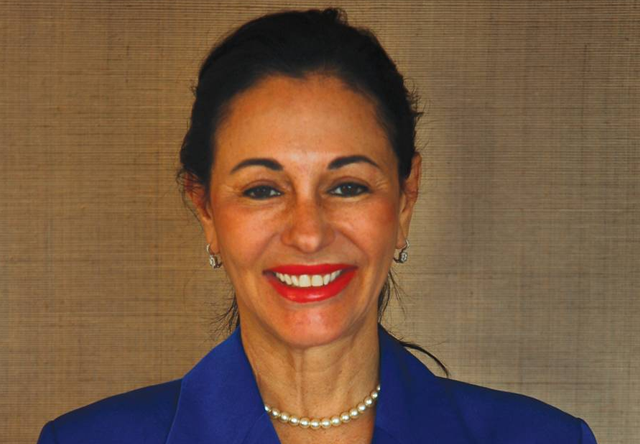
March 7, 2022 - By : Luc Hill
7th March 2022, New York – Christina DeSimone is the CEO and founder of Future Care, An International SOS Company. Future was the first Global Telemedical and case management...
Read More
December 20, 2021 - By : Luc Hill
17th December 2021, New York – Digital learning and human capital management software provider Mintra and Future Care, An International SOS Company, have strengthened their support to the maritime...
Read More
October 19, 2021 - By : Luc Hill
Future Care Inc.’s Global Medical Director, Arthur Diskin, MD, FACEP, recently presented at CMA Shipping 2021 about the challenges ship owners and operators face in light of the highly...
Read More
September 23, 2021 - By : Luc Hill
22 September 2021- New York – Future Care CEO Christina DeSimone and Wellstand Health CEO Dr. Anthony Napolitano announced a strategic partnership to provide Future Care’s clients the best...
Read More
August 27, 2021 - By : Luc Hill
It is no secret that seafarers have faced some of the most challenging times during this pandemic and as the virus evolves, new logistical challenges continue to face shipowners...
Read More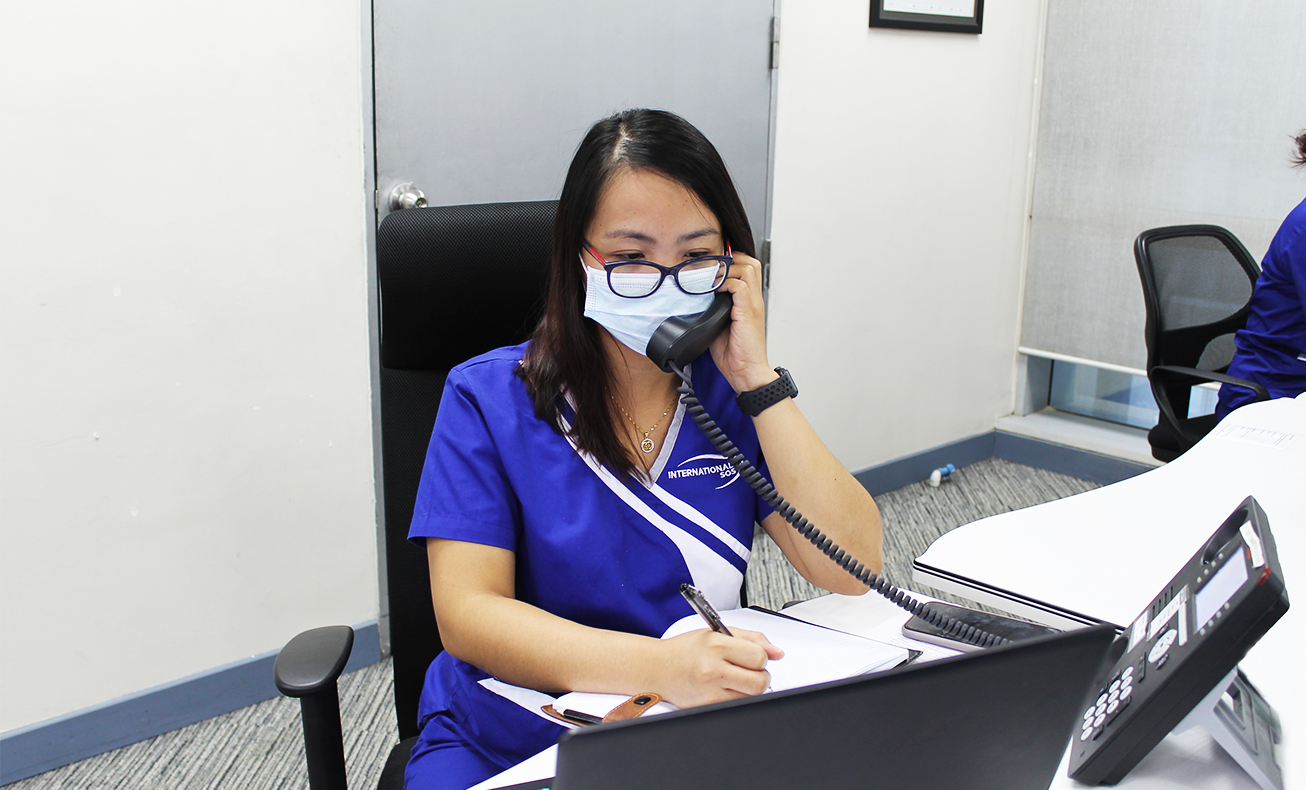
August 27, 2021 - By : Luc Hill
Christina DeSimone, President and CEO of Future Care and the Medsea companies, is delighted with the way that the two-year partnership with International SOS has enhanced Future Care’s resources...
Read More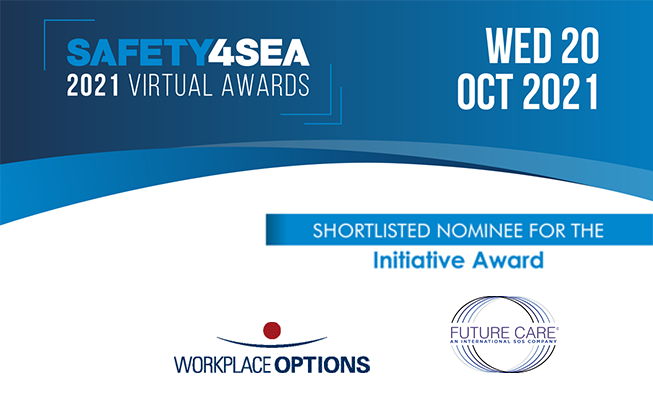
August 6, 2021 - By : Luc Hill
JERSEY CITY, NJ – (August 2, 2021) Employee wellbeing provider Workplace Options (WPO) and Future Care, an International SOS company, have been recognized as finalists for the SAFETY4SEA Initiative...
Read More